

Tradition Institution Buddhist traditions
Sōtō
日本曹洞宗 zh 曹洞宗 ja
Sect of Zen in Japanese Buddhism
A path that branches,
meets and parts.
Schools and lineages
Branches and affiliations
Many paths. Shared histories.
What this means
Association and branching, in both directions. Traditions overlap, split and re-merge; this is not a single-origin family tree, and being listed under another tradition is not the same as being recognised by it.
Does not imply a clean single-origin family tree · that the parent recognises the branch
Imported from Wikidata. Nothing here has been read by an editor.
Recorded as a branch of

Attributed founding
Whom the records name as founder
What this means
An attribution, and a contested one in most traditions: it does not mean the tradition began fully formed, nor that later adherents accept the attribution.
Does not imply that the tradition began fully formed · that later adherents accept the attribution
Imported from Wikidata. Nothing here has been read by an editor.

Figures · 2
Begin with a figure
What this means
Records whose own statements name this tradition — 2 of them. Computed from those statements, not curated here, and ordered by how widely each is linked across Wikipedia — those at home in the tradition’s collection first, and those with a picture first among the leading few — rather than by significance to the tradition.
An affiliation recorded on a person is a third party’s record, often of one period of a life — not that person’s belief at every point in it.
Imported from Wikidata. Nothing here has been read by an editor.

Places · 22
Places and sites
What this means
Records whose own statements name this tradition — 22 of them. Computed from those statements, not curated here, and ordered by how widely each is linked across Wikipedia — those at home in the tradition’s collection first, and those with a picture first among the leading few — rather than by significance to the tradition.
A place that names a tradition may be a temple or a whole province. Either way it is not a count of believers, and not evidence of practice in every period.
Imported from Wikidata. Nothing here has been read by an editor.
-

Eihei-ji Temple
Buddhist temple in Fukui Prefecture, Japan -

Sōji-ji Temple
Buddhist temple in Yokohama, Japan -

Sengaku-ji Temple
Sōtō Zen Buddhist temple in Tokyo, Japan -

Gōtoku-ji Temple
Buddhist temple in Setagaya, Tokyo, Japan -

Ōfuna Kannon Temple
Buddhist temple in Kamakura, Kanagawa, Japan -

Shisen-dō Temple
Temple in Sakyo-ku, Kyoto, Japan -

Kappa-dera Temple
Buddhist temple in Tokyo -

Rurikō-ji Temple
Temple and park in Yamaguchi city, Japan
Show 14 more
-
 Place Zuiryū-ji Temple Building in Takaoka, Toyama Prefecture, Japan
 -
 Place Anraku-ji Temple Buddhist temple in Nagano Prefecture, Japan
 -
 Place Daiji-ji Temple Buddhist temple in Minami-ku, Kumamoto, Japan
 -
 Place Gyokusen-ji Temple Buddhist temple in Shizuoka Prefecture, Japan
 -
 Place Jigen-ji Temple A Buddhist temple in Daito, Osaka
 -
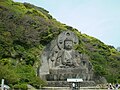 Place Nihon-ji Temple Buddhist temple in Chiba prefecture, Japan
 -
 Place Tōgan-ji Temple Temple in Chikusa-ku, Nagoya
 -
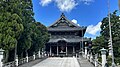 Place Toyokawa Inari Buddhist temple in Toyokawa, Aichi, Japan
 -
 Place Daijō-ji Temple Building in Kanazawa, Ishikawa Prefecture, Japan
 -
 Place Hōkyō-ji Temple Buddhist temple in Ono, Japan
 -
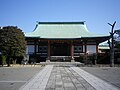 Place Kisshō-ji Temple Buddhist temple in Tokyo, Japan
 -
 Place Kōgan-ji Temple Building in Toshima-ku, Tokyo, Japan
 -
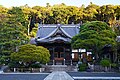 Place Shuzen-ji Temple Buddhist temple of the Sōtō sect dedicated to Vairocana in Izu, Japan
 -
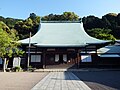 Place Zuiō-ji Temple Buddhist temple in Niihama, Ehime prefecture, Japan
Sources
Sources and evidence
Where every statement on this page comes from, and how each one stands.
3 statements on this record
- 3 Imported Taken from Wikidata as it stands. Nobody here has read it.
Only this record’s own statements. What other records say about it is counted on theirs.
Three layers, three licences
- Text
- Wikipedia · CC BY-SA 4.0, quoted, not merged
- Pictures
- Wikimedia Commons · each file’s own terms
Review
Not yet read by an editor here. Every relationship on this page is an import.
Disagreements are kept, not resolved, and a count of sources is not a confidence score.


Keep exploring
More from Buddhist traditions
Theravāda, Mahāyāna and Vajrayāna, their figures, sutras, lineages and monasteries.