

Text Christianity
Seven Sleepers
Septem dormientes la ἑπτά κοιμώμενοι grc
Story in Christian folklore and the Qur'an
- Also called Ashab-i Kehf, The Seven Sleepers
A text has a date.
What it tells
may not.
Two clocks, kept apart
Connections
How Seven Sleepers connects
Grouped by the kind of relationship, because a successor is not a son and a shared symbol is not an influence.
Identification 2
What this means
One figure treated as another in some context. Not literal identity in all contexts, and usually a claim by a third party.
Does not imply literal identity in all contexts · that either tradition made the identification
Imported from Wikidata unless a tile says otherwise. Nothing here has been read by an editor.
Place 2
What this means
Where something is, or is documented. A location is not by itself evidence of activity.
Does not imply that anything is documented to have happened there
Imported from Wikidata unless a tile says otherwise. Nothing here has been read by an editor.
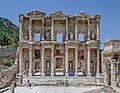
Sources
Sources and evidence
Where every statement on this page comes from, and how each one stands.
5 statements on this record
- 5 Imported Taken from Wikidata as it stands. Nobody here has read it. 1 of them cite only Wikipedia: one source, counted once.
Only this record’s own statements. What other records say about it is counted on theirs.
Three layers, three licences
- Text
- Wikipedia · CC BY-SA 4.0, quoted, not merged
- Pictures
- Wikimedia Commons · each file’s own terms
Review
Not yet read by an editor here. Every relationship on this page is an import.
Disagreements are kept, not resolved, and a count of sources is not a confidence score.


Keep exploring
More from Christianity
Its branches, councils, saints, offices and buildings — and where they stopped recognising each other.