

Practice Buddhist traditions
Phi Ta Khon
泰國鬼節 zh ピーターコーン ja
Group of festivals held in Dan Sai, Thailand
A discipline,
as the records
describe it.
Rites and disciplines
Overview
From Wikipedia, quoted unmodified under CC BY-SA 4.0; the article’s history is its list of authors.
Calendar
When it is kept
The days in the year its record gives. A day, not a date: it says nothing about when the observance began.
What this means
The days in the year Wikidata records for Phi Ta Khon, each in the calendar it names: a month of another calendar is shown as recorded and never converted. Two days are two statements — often two traditions’ days — and are not joined into a span. It does not imply when the festival began, or that every tradition keeping it keeps this day.
- As recorded 7th month
Where
Located in
The places its record gives — a location, not a claim about what happened there.
Located in, not held here: Dan Sai
More
More practices in Buddhist traditions
The practices this collection holds that are most widely recorded.
What this means
Listed because they are practices in Buddhist traditions, as this one is — not because either record names the other. Being on the same shelf is not a connection, an influence or a sequence.
-
Yogacara
tradition of Buddhist philosophy and psychology emphasizing the study of cognition, perception, and consciousness through meditative and yogic practices -

Makar Sankranti
Hindu festival that reveres Surya (sun god) -
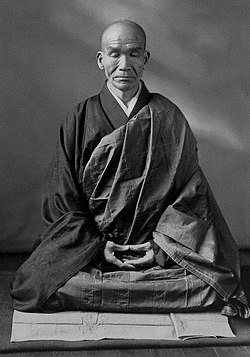
zazen
Sitting Meditation in Zen Buddhism -
_Meditation_in_Wat_Khung_Taphao.jpg/250px-(Buddhist_monk)_Meditation_in_Wat_Khung_Taphao.jpg)
Buddhist meditation
meditation practice -

nianfo
Buddhist concept -

Shikoku Pilgrimage
multi-site pilgrimage of 88 temples associated with the Buddhist monk Kūkai (Kōbō Daishi) on the island of Shikoku, Japan
Connections
How Phi Ta Khon connects
Grouped by the kind of relationship, because a successor is not a son and a shared symbol is not an influence.
Documented influence 1
What this means
A transmission argued from evidence. Not shared symbols, and not a short path through a database.
Does not imply shared symbols as evidence · a short path through a database
Imported from Wikidata unless a tile says otherwise. Nothing here has been read by an editor.
.jpg/120px-Detail_of_Mural_-_City_Pillar_Hall_-_Wat_Chedi_Luang_-_Chiang_Mai_-_Thailand_(35074171096).jpg)
Sources
Sources and evidence
Where every statement on this page comes from, and how each one stands.
5 statements on this record
- 5 Imported Taken from Wikidata as it stands. Nobody here has read it.
Only this record’s own statements. What other records say about it is counted on theirs.
Three layers, three licences
- Text
- Wikipedia · CC BY-SA 4.0, quoted, not merged
- Pictures
- Wikimedia Commons · each file’s own terms
Review
Not yet read by an editor here. Every relationship on this page is an import.
Disagreements are kept, not resolved, and a count of sources is not a confidence score.


Keep exploring
More from Buddhist traditions
Theravāda, Mahāyāna and Vajrayāna, their figures, sutras, lineages and monasteries.