
Office Institution Christianity
Third Order of Saint Dominic
Lay order of religious men and women
- Also called Lay Fraternities of Saint Dominic, Lay Dominicans, T.O.P.
A seat,
and those
who held it.
Holders in order
Overview
From Wikipedia, quoted unmodified under CC BY-SA 4.0; the article’s history is its list of authors.
Succession in office
Who held it, in order
A sequence of office-holders, not a family genealogy.
No tenures of this office are recorded in this collection yet — a zero, not a claim that nobody held it.
Connections
How Third Order of Saint Dominic connects
Grouped by the kind of relationship, because a successor is not a son and a shared symbol is not an influence.
Affiliation 6
What this means
Association with a tradition or school. Traditions branch, overlap and re-merge; this is not a clean single-origin tree.
Does not imply a fixed roster · that every account of the tradition knows this figure · personal belief at every point in a life · the practice of a population
Imported from Wikidata unless a tile says otherwise. Nothing here has been read by an editor.
- is part of Dominican Family
-
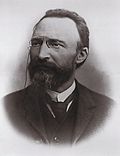 includes Bartolo Longo beatified Italian Catholic (1841-1926)
 -
 includes Catherine of Siena Italian Dominican saint (1347-1380)
 -
 includes Louis de Montfort French Catholic saint, priest, and confessor
 -
 includes Rose of Lima Dominican saint from Peru
 -
 includes Zdislava of Lemberk Czech saint
Sources
Sources and evidence
Where every statement on this page comes from, and how each one stands.
2 statements on this record
- 2 Imported Taken from Wikidata as it stands. Nobody here has read it.
Only this record’s own statements. What other records say about it is counted on theirs.
Three layers, three licences
- Text
- Wikipedia · CC BY-SA 4.0, quoted, not merged
Review
Not yet read by an editor here. Every relationship on this page is an import.
Disagreements are kept, not resolved, and a count of sources is not a confidence score.


Keep exploring
More from Christianity
Its branches, councils, saints, offices and buildings — and where they stopped recognising each other.