

Office Buddhist traditions
Dalai Lama
རྒྱལ་དབང་སྐུ་འཕྲེང་རིམ་བྱོན། bo 达赖喇嘛 zh ダライ・ラマ ja
Tibetan Buddhist spiritual teacher
- Dated from 13th century CE
- Also called Grand Lama
A seat,
and those
who held it.
Holders in order
Overview
From Wikipedia, quoted unmodified under CC BY-SA 4.0; the article’s history is its list of authors.
Succession in office
Who held it, in order
A sequence of office-holders, not a family genealogy.
- 12 holders
- 1 gap
- 1 step named in the records
- 10 undated
What this means
Who held an office after whom. Not parentage, not discipleship, and not universally recognised — offices are contested.
Does not imply recognition by every tradition · an uncontested claim · parentage · discipleship · an explanation of why the succession happened
Holding an office after someone says nothing about being related to them or taught by them. Where a line is also a family, both are on the holders’ own pages as separate sections.
A gap is a vacancy, an interregnum or a hole in the record; an overlap is rival claims or an office held by more than one at once. The records do not say which, so neither is resolved here. A gap shorter than two years sits inside the precision of year-dated records and is not marked.
Why a succession happened is a historical argument. Where sources make one, it belongs in a reviewed connection with its citations — not in this order, and not in a predecessor field.
Recognition is never universal. Where a card names no recognising body, none is recorded — which is not the same as none.
Imported from Wikidata unless a card says otherwise. Nothing here has been read by an editor.
-
 13th 1 August 1879 CE – 17 December 1933 CE Thubten Gyatso 13th Dalai Lama of Tibet (1876-1933)
 -
Gap about 7 years with no holder recorded
 14th from 22 February 1940 CE Tenzin Gyatso 14th Dalai Lama, the spiritual and temporal leader of Tibetans
No dates recorded 10
-
 1st Dates unrecorded 1st Dalai Lama Dalai Lama of Tibet (1391-1474)
 -
 2nd Dates unrecorded Gedun Gyatso Dalai Lama of Tibet (1476-1542)
 -
 5th Dates unrecorded Ngawang Lobzang Gyatso political and religious leader of Tibet (1617–1682)
 -
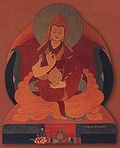 6th Dates unrecorded Tsangyang Gyatso sixth Dalai Lama of Tibet (1683-1706)
 -
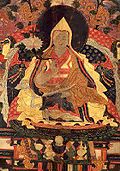 7th Dates unrecorded Kelzang Gyatso 7th Dalai Lama
 -
 8th Dates unrecorded Jamphel Gyatso 8th Dalai Lama of Tibet (1758-1804)
 -
 10th Dates unrecorded Dalai Lama 10 Tsultrim Gyatso 10th Dalai Lama of Tibet (1816-1837)
 -
 11th Dates unrecorded Dalai Lama 11 Khedrub Gyatso 11th Dalai Lama (1838–1856)
 -
 12th Dates unrecorded Trinle Gyatso 12th Dalai Lama of Tibet (1857-1875)
 -
 Dates unrecorded Dalai Lama 09 Lungtok Gyatso 9th Dalai Lama (1805-1815)
Chronology is not a full explanation
Why one holder followed another takes evidence beyond the order of their dates.
Sources
Sources and evidence
Where every statement on this page comes from, and how each one stands.
2 statements on this record
- 2 Imported Taken from Wikidata as it stands. Nobody here has read it. 1 of them cite only Wikipedia: one source, counted once.
Only this record’s own statements. What other records say about it is counted on theirs.
Three layers, three licences
- Text
- Wikipedia · CC BY-SA 4.0, quoted, not merged
- Pictures
- Wikimedia Commons · each file’s own terms
Review
Not yet read by an editor here. Every relationship on this page is an import.
Disagreements are kept, not resolved, and a count of sources is not a confidence score.


Keep exploring
More from Buddhist traditions
Theravāda, Mahāyāna and Vajrayāna, their figures, sutras, lineages and monasteries.