

Institution Christianity
Saints Cosmas and Damian
Cosmas et Damianus la
Twins and early Christian martyrs born in Arabia
- Recognised as Canonized saint
- Also called Cosmas and Damian, Saints Damian and Cosmas
Founded, kept
and handed on.
As the records give it
More
More institutions in Christianity
The institutions this collection holds that are most widely recorded.
What this means
Listed because they are institutions in Christianity, as this one is — not because either record names the other. Being on the same shelf is not a connection, an influence or a sequence.
-
 from 1540 CE
Society of Jesus
male religious institute of the Roman Catholic Church -
_in_Duhok_(Nohaadra)_12.jpg/250px-The_Akitu%2C_Assyrian_New_Year%2C_festival_(2019)_in_Duhok_(Nohaadra)_12.jpg)
Assyrians
ethnic group native to Mesopotamia -
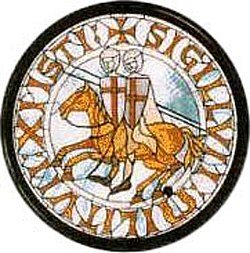 c. 16 January 1120 CE – 22 March 1312 CE
Knights Templar
medieval Christian military order, 1118–1312 -
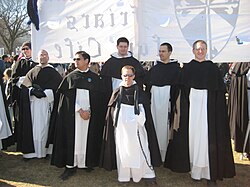 from 1215 CE
Dominican Order
Roman Catholic religious order -
 from 1190 CE
Teutonic Order
medieval military order founded c. 1190 -
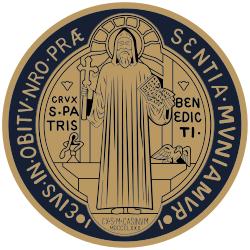 from 529 CE
Benedictines
Catholic monastic order
Connections
How Saints Cosmas and Damian connects
Grouped by the kind of relationship, because a successor is not a son and a shared symbol is not an influence.
Attribute 1
What this means
A domain, symbol or epithet as sources record it.
Does not imply an exclusive domain · the same association in every account
Imported from Wikidata unless a tile says otherwise. Nothing here has been read by an editor.

Sources
Sources and evidence
Where every statement on this page comes from, and how each one stands.
2 statements on this record
- 2 Imported Taken from Wikidata as it stands. Nobody here has read it.
Only this record’s own statements. What other records say about it is counted on theirs.
Three layers, three licences
- Text
- Wikipedia · CC BY-SA 4.0, quoted, not merged
- Pictures
- Wikimedia Commons · each file’s own terms
Review
Not yet read by an editor here. Every relationship on this page is an import.
Disagreements are kept, not resolved, and a count of sources is not a confidence score.


Keep exploring
More from Christianity
Its branches, councils, saints, offices and buildings — and where they stopped recognising each other.