

House East Asian traditions
Imperial House of Japan
日本皇室 zh 皇室 ja 일본 황실 ko
Members of the extended family of the reigning Emperor of Japan
- Dated from 11 February 660 BCE
- Also called Yamato dynasty, Imperial Family, Japanese imperial family
A family
on the record,
reign by reign.
Documented kin
Members · 80
The house, member by member
One family drawn as a tree, then every member, oldest first where a date is recorded.
What this means
People whose own records place them in this house. Membership of a house is a family fact. It is not a religious affiliation and not a right to any office. “Child of” appears where a member’s recorded parent is also in the house — a documented human family, the same kind of claim as membership, and nothing more. Imported from Wikidata: nothing here has been read by an editor.
4 children in the house
-
 Yōmei 6th century CE – 587 CE
 -
 Sushun 6th century CE – 592 CE
 -
 Bidatsu c. 538 CE – 585 CE
 -
 Suiko 554 CE – 628 CE
Every member
People whose own records place them in this house.
-
 Jimmu13 February 711 BCE – 585 BCE · legendary first emperor of Japan
 -
 Emperor Suizei669 BCE – 548 BCE · Child of Jimmu
 -
 Emperor Annei577 BCE – 511 BCE · Child of Emperor Suizei
 -
 Emperor Itoku553 BCE – 477 BCE · Child of Emperor Annei
 -
 Kōrei341 BCE – 214 BCE · Emperor of Japan
 -
 Emperor Kōgen272 BCE – 157 BCE · Child of Kōrei
 -
 Emperor Kaika208 BCE – 98 BCE · Child of Emperor Kōgen
 -
 Sujin147 BCE – 9 January 29 BCE · Child of Emperor Kaika
 -
 Suinin69 BCE – 14 July 70 CE · Child of Sujin
 -
 Keikō7 November 60 CE – 23 December 130 CE · Child of Suinin
 -
 Emperor Seimu83 CE – 191 CE · Child of Keikō
 -
 Chūai149 CE – 200 CE · Emperor of Japan
 -
.jpg/330px-Azuma_nishiki_chuya_kurabe%2C_Nintoku_tenno_(detail).jpg) Nintoku290 CE – 399 CE · Emperor of Japan
Nintoku290 CE – 399 CE · Emperor of Japan -
 Ingyō376 CE – 8 February 453 CE · Child of Nintoku
 -
 Emperor Ankō401 CE – 456 CE · Child of Ingyō
 -
 Yūryaku418 CE – 479 CE · Child of Ingyō
 -
 Seinei444 CE – 484 CE · Child of Yūryaku
 -
 Keitai450 CE – 10 March 531 CE · Emperor of Japan
Show 62 more
-
 Ankanc. 466 CE – c. 25 January 536 CE · Child of Keitai
 -
 Senkac. 467 CE – c. 15 March 539 CE · Child of Keitai
 - Yōmei6th century CE – 21 May 587 CE · Child of Kinmei
- Sushun6th century CE – 12 December 592 CE · Child of Kinmei
-
 Kinmei509 CE – c. 24 May 571 CE · Child of Keitai
 - Bidatsuc. 538 CE – 14 September 585 CE · Child of Kinmei
- Suiko21 May 554 CE – 15 April 628 CE · Child of Kinmei
-
 Jomei593 CE – 17 November 641 CE · Japanese emperor
 -
.jpg/330px-Emperor_Tenji_(Kanou_Tanyuu).jpg) Tenji626 CE – 7 January 672 CE · Child of Jomei
Tenji626 CE – 7 January 672 CE · Child of Jomei -
 Tenmu631 CE – 1 October 686 CE · Child of Jomei
 -
 Jitō645 CE – 13 January 703 CE · Child of Tenji
 -
 Kōbun648 CE – 21 August 672 CE · Child of Tenji
 -
 Monmu683 CE – 18 July 707 CE · Emperor of Japan
 -
 Shōmu18 September 701 CE – 4 June 756 CE · Child of Monmu
 -
 Kōnin18 November 709 CE – 11 January 782 CE · 49th emperor of Japan
 -
 Junnin733 CE – 10 November 765 CE · Emperor of Japan
 -
 Emperor Kanmu737 CE – 9 April 806 CE · Child of Kōnin
 -
 Emperor Heizei25 September 774 CE – 5 August 824 CE · Child of Emperor Kanmu
 -
 Emperor Saga786 CE – 24 August 842 CE · Child of Emperor Kanmu
 -
 Emperor Junna786 CE – 11 June 840 CE · Child of Emperor Kanmu
 -
 Ninmyō25 October 810 CE – 6 May 850 CE · Child of Emperor Saga
 -
 MontokuAugust 827 CE – 7 October 858 CE · Child of Ninmyō
 -
 Kōkō830 CE – 17 September 887 CE · Child of Ninmyō
 -
 Uda10 June 867 CE – 3 September 931 CE · Child of Kōkō
 -
 Daigo6 February 885 CE – 23 October 930 CE · Child of Uda
 -
 Suzaku7 September 923 CE – 6 September 952 CE · Child of Daigo
 -
 Murakami14 July 926 CE – 5 July 967 CE · Child of Daigo
 -
 Emperor Reizei12 June 950 CE – 21 November 1011 CE · Child of Murakami
 -
 En'yū959 CE – 991 CE · Child of Murakami
 -
 Go-Reizei28 August 1025 CE – 22 May 1068 CE · 70th emperor of Japan
 -
 Go-Sanjō3 September 1034 CE – 15 June 1073 CE · Emperor of Japan
 -
 Emperor Shirakawa1053 CE – 1129 CE · Child of Go-Sanjō
 -
 Emperor Horikawa8 August 1079 CE – 9 August 1107 CE · Child of Emperor Shirakawa
 -
 Fujiwara no Tamako1101 CE – 10 September 1145 CE · Empress consort of Emperor Toba of Japan, mother of Emperor Sutoku and Emperor Go-Shirakawa
 -
 Emperor Toba24 February 1103 CE – 20 July 1156 CE · Child of Emperor Horikawa
 -
 Emperor Sutoku7 July 1119 CE – 14 September 1164 CE · Child of Fujiwara no Tamako
 -
 Emperor Go-Shirakawa18 October 1127 CE – 26 April 1192 CE · Child of Emperor Toba
 -
 Emperor Konoe16 June 1139 CE – 22 August 1155 CE · Child of Emperor Toba
 -
 Nijō31 July 1143 CE – 5 September 1165 CE · Child of Emperor Go-Shirakawa
 -
 Takakura23 September 1161 CE – 30 January 1181 CE · Child of Emperor Go-Shirakawa
 -
 Rokujō28 December 1164 CE – 23 August 1176 CE · Child of Nijō
 -
 Antoku22 December 1178 CE – 25 April 1185 CE · Child of Takakura
 -
 Go-Toba6 August 1180 CE – 28 March 1239 CE · Child of Takakura
 -
 Tsuchimikado3 January 1196 CE – 6 November 1231 CE · Child of Go-Toba
 -
 Juntoku22 October 1197 CE – 7 October 1242 CE · Child of Go-Toba
 -
 Emperor Chūkyō30 October 1218 CE – 18 June 1234 CE · Child of Juntoku
 -
 Emperor Go-Saga1 April 1220 CE – 17 March 1272 CE · Child of Tsuchimikado
 -
 Go-Yōzei31 December 1571 CE – 25 September 1617 CE · emperor of Japan from 1586 to 1611
 -
 Emperor Go-Mizunoo29 June 1596 CE – 11 September 1680 CE · Child of Go-Yōzei
 -
 Empress Meishō9 January 1624 CE – 4 December 1696 CE · Child of Emperor Go-Mizunoo
 -
 Go-Kōmyō20 April 1633 CE – 30 October 1654 CE · Child of Emperor Go-Mizunoo
 -
 Go-Sai1 January 1638 CE – 22 March 1685 CE · Child of Emperor Go-Mizunoo
 -
 Emperor Reigen9 July 1654 CE – 24 September 1732 CE · Child of Emperor Go-Mizunoo
 -
 Higashiyama21 October 1675 CE – 16 January 1710 CE · Child of Emperor Reigen
 -
.jpg/330px-%E5%AD%9D%E6%98%8E%E5%A4%A9%E7%9A%87%E5%AE%B8%E5%BD%B1_(cropped).jpg) Emperor Kōmei22 July 1831 CE – 30 January 1867 CE · Emperor of Japan from 1846 to 1867
Emperor Kōmei22 July 1831 CE – 30 January 1867 CE · Emperor of Japan from 1846 to 1867 -
 Eishō11 January 1835 CE – 11 January 1897 CE · Japanese empress (1835-1897)
 -
 Emperor Meiji3 November 1852 CE – 30 July 1912 CE · Child of Emperor Kōmei
 -
 Emperor Taishō31 August 1879 CE – 25 December 1926 CE · Child of Emperor Meiji
 -
 Hirohito29 April 1901 CE – 7 January 1989 CE · Child of Emperor Taishō
 -
 Kōjun6 March 1903 CE – 16 June 2000 CE · Japanese empress
 -
.jpg/330px-Emperor_Akihito_(2016).jpg) Akihitofrom 23 December 1933 CE · Child of Kōjun
Akihitofrom 23 December 1933 CE · Child of Kōjun -
 Emperor of Japanhead of state of Japan
Succession
Offices held in the house
The members in each office, in order — a selection from the office’s whole line.
Emperor of Japan
- 76 holders
- 1 overlap
- 16 gaps
What this means
Who held an office after whom. Not parentage, not discipleship, and not universally recognised — offices are contested.
Does not imply recognition by every tradition · an uncontested claim · parentage · discipleship · an explanation of why the succession happened
Holding an office after someone says nothing about being related to them or taught by them. Where a line is also a family, both are on the holders’ own pages as separate sections.
A gap is a vacancy, an interregnum or a hole in the record; an overlap is rival claims or an office held by more than one at once. The records do not say which, so neither is resolved here. A gap shorter than two years sits inside the precision of year-dated records and is not marked. Only this house’s members are shown, so a gap between two of them may be a holder from outside it.
Why a succession happened is a historical argument. Where sources make one, it belongs in a reviewed connection with its citations — not in this order, and not in a predecessor field.
Recognition is never universal. Where a card names no recognising body, none is recorded — which is not the same as none.
Imported from Wikidata unless a card says otherwise. Nothing here has been read by an editor.
-
 1st 11 February 660 BCE – 3 April 585 BCE Jimmu legendary first emperor of Japan
 -
Gap about 5 years before the next in this house
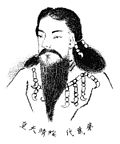 2nd 580 BCE – 548 BCE Emperor Suizei emperor of Japan
 -
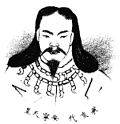 3rd 548 BCE – 510 BCE Emperor Annei emperor of Japan
 -
 509 BCE – 475 BCE Emperor Itoku emperor of Japan
 -
Gap about 186 years before the next in this house
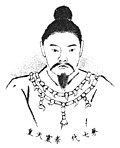 289 BCE – 214 BCE Kōrei Emperor of Japan
 -
 213 BCE – 157 BCE Emperor Kōgen emperor of Japan
 -
Gap about 2 years before the next in this house
 96 BCE – 29 BCE Sujin Emperor of Japan
 -
 28 BCE – 70 CE Suinin Emperor of Japan
 -
 71 CE – 130 CE Keikō Emperor of Japan
 -
 131 CE – 191 CE Emperor Seimu Emperor of Japan
 -
 192 CE – 200 CE Chūai Emperor of Japan
 -
Gap about 113 years before the next in this house
.jpg/120px-Azuma_nishiki_chuya_kurabe%2C_Nintoku_tenno_(detail).jpg) 313 CE – 399 CE Nintoku Emperor of Japan
313 CE – 399 CE Nintoku Emperor of Japan -
Gap about 13 years before the next in this house
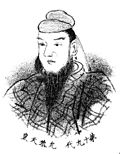 412 CE – 453 CE Ingyō 19th Emperor of Japan
 -
 454 CE – 456 CE Emperor Ankō Emperor of Japan
 -
 457 CE – 479 CE Yūryaku Japanese emperor

Show 60 more holders
-
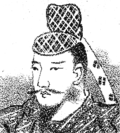 480 CE – 484 CE Seinei Emperor of Japan
 -
Gap about 23 years before the next in this house
 507 CE – 531 CE Keitai Emperor of Japan
 -
 531 CE – 535 CE Ankan Emperor of Japan
 -
 536 CE – 539 CE Senka Emperor of Japan
 -
 7 December 539 CE – 17 April 571 CE Kinmei 29th Emperor of Japan
 -
 2 May 572 CE – 16 September 585 CE Bidatsu Emperor of Japan
 -
 7 September 585 CE – 11 April 587 CE Yōmei Japanese emperor
 -
 11 September 587 CE – 14 December 592 CE Sushun Emperor of Japan
 -
 17 January 593 CE – 18 April 628 CE Suiko Empress of Japan from 592 to 628
 -
 5 February 629 CE – 20 November 641 CE Jomei Japanese emperor
 -
Gap about 20 years before the next in this house
.jpg/120px-Emperor_Tenji_(Kanou_Tanyuu).jpg) 661 CE – 672 CE Tenji Emperor of Japan (626-672)
661 CE – 672 CE Tenji Emperor of Japan (626-672) -
 672 CE – 4 October 686 CE Tenmu Emperor of Japan
 -
 672 CE – 27 August 672 CE Kōbun Emperor of Japan
 -
Gap about 14 years before the next in this house
 686 CE – 697 CE Jitō Empress of Japan (645-703)
 -
 697 CE – 707 CE Monmu Emperor of Japan
 -
Gap about 17 years before the next in this house
 724 CE – 749 CE Shōmu Emperor of Japan
 -
Gap about 9 years before the next in this house
 758 CE – 764 CE Junnin Emperor of Japan
 -
Gap about 6 years before the next in this house
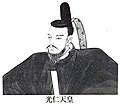 770 CE – 781 CE Kōnin 49th emperor of Japan
 -
 781 CE – 806 CE Emperor Kanmu Emperor of Japan
 -
 806 CE – 809 CE Emperor Heizei Emperor of Japan
 -
 18 May 809 CE – 29 May 823 CE Emperor Saga Emperor of Japan
 -
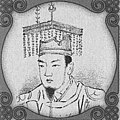 29 May 823 CE – 22 March 833 CE Emperor Junna Emperor of Japan
 -
 22 March 833 CE – 4 May 850 CE Ninmyō Emperor of Japan
 -
 4 May 850 CE – 7 October 858 CE Montoku Emperor of Japan
 -
Gap about 26 years before the next in this house
 5 March 884 CE – 17 September 887 CE Kōkō Emperor of Japan
 -
 17 September 887 CE – 4 August 897 CE Uda Japanese emperor
 -
 4 August 897 CE – 16 October 930 CE Daigo 60th emperor of Japan
 -
 16 October 930 CE – 23 May 946 CE Suzaku Emperor of Japan
 -
 23 May 946 CE – 5 July 967 CE Murakami Emperor of Japan
 -
 5 July 967 CE – 27 September 969 CE Emperor Reizei Emperor of Japan
 -
 27 September 969 CE – 24 September 984 CE En'yū Emperor of Japan
 -
Gap about 61 years before the next in this house
 5 February 1045 CE – 22 May 1068 CE Go-Reizei 70th emperor of Japan
 -
 22 May 1068 CE – 18 January 1073 CE Go-Sanjō Emperor of Japan
 -
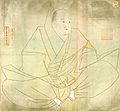 18 January 1073 CE – 3 January 1087 CE Emperor Shirakawa Emperor of Japan
 -
 3 January 1087 CE – 9 August 1107 CE Emperor Horikawa Emperor of Japan
 -
 9 August 1107 CE – 25 February 1123 CE Emperor Toba Emperor of Japan
 -
 25 February 1123 CE – 5 January 1142 CE Emperor Sutoku Emperor of Japan
 -
 5 January 1142 CE – 22 August 1155 CE Emperor Konoe Emperor of Japan (1139–1155)
 -
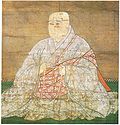 23 August 1155 CE – 5 September 1158 CE Emperor Go-Shirakawa 77th emperor of Japan (1155–58)
 -
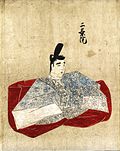 5 September 1158 CE – 3 August 1165 CE Nijō Emperor of Japan
 -
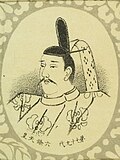 3 August 1165 CE – 9 April 1168 CE Rokujō 79th Emperor of Japan
 -
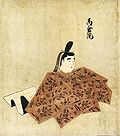 9 April 1168 CE – 18 March 1180 CE Takakura Emperor of Japan
 -
 18 March 1180 CE – 25 April 1185 CE Antoku Emperor of Japan
 -
Overlap held at the same time as Antoku
 8 September 1183 CE – 18 February 1198 CE Go-Toba Emperor of Japan
 -
 18 February 1198 CE – 12 December 1210 CE Tsuchimikado Emperor of Japan
 -
 12 December 1210 CE – 13 May 1221 CE Juntoku Emperor of Japan
 -
 13 May 1221 CE – 29 July 1221 CE Emperor Chūkyō Emperor of Japan
 -
Gap about 21 years before the next in this house
 21 February 1242 CE – 16 February 1246 CE Emperor Go-Saga Emperor of Japan
 -
Gap about 340 years before the next in this house
 17 December 1586 CE – 9 May 1611 CE Go-Yōzei emperor of Japan from 1586 to 1611
 -
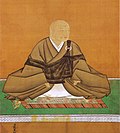 9 May 1611 CE – 22 December 1629 CE Emperor Go-Mizunoo emperor of Japan from 1611 to 1629
 -
 22 December 1629 CE – 14 November 1643 CE Empress Meishō empress of Japan (1624-1696)
 -
 14 November 1643 CE – 30 October 1654 CE Go-Kōmyō emperor of Japan (1633–1654)
 -
 5 January 1655 CE – 5 March 1663 CE Go-Sai emperor of Japan
 -
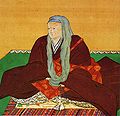 5 May 1663 CE – 2 May 1687 CE Emperor Reigen emperor of Japan
 -
 6 May 1687 CE – 27 July 1709 CE Higashiyama emperor of Japan (1675-1710)
 -
Gap about 137 years before the next in this house
.jpg/120px-%E5%AD%9D%E6%98%8E%E5%A4%A9%E7%9A%87%E5%AE%B8%E5%BD%B1_(cropped).jpg) 121st 10 March 1846 CE – 30 January 1867 CE Emperor Kōmei Emperor of Japan from 1846 to 1867
121st 10 March 1846 CE – 30 January 1867 CE Emperor Kōmei Emperor of Japan from 1846 to 1867 -
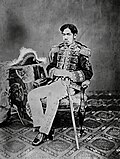 122nd 3 February 1867 CE – 30 July 1912 CE Emperor Meiji Emperor of Japan from 1867 until 1912
 -
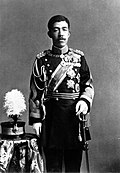 123rd 30 July 1912 CE – 25 December 1926 CE Emperor Taishō Emperor of Japan from 1912 until 1926
 -
 124th 25 December 1926 CE – 7 January 1989 CE Hirohito emperor of Japan from 1926 to 1989
 -
.jpg/120px-Emperor_Akihito_(2016).jpg) 125th 7 January 1989 CE – 30 April 2019 CE Akihito Emperor of Japan from 1989 to 2019 Has references
125th 7 January 1989 CE – 30 April 2019 CE Akihito Emperor of Japan from 1989 to 2019 Has references
Daijō Tennō
- 5 holders
- 3 overlapping pairs
- 2 undated
What this means
Who held an office after whom. Not parentage, not discipleship, and not universally recognised — offices are contested.
Does not imply recognition by every tradition · an uncontested claim · parentage · discipleship · an explanation of why the succession happened
Holding an office after someone says nothing about being related to them or taught by them. Where a line is also a family, both are on the holders’ own pages as separate sections.
A gap is a vacancy, an interregnum or a hole in the record; an overlap is rival claims or an office held by more than one at once. The records do not say which, so neither is resolved here. A gap shorter than two years sits inside the precision of year-dated records and is not marked. Only this house’s members are shown, so a gap between two of them may be a holder from outside it. This office’s tenures overlap throughout, so it is listed as a roll in order of start rather than drawn as a line.
Why a succession happened is a historical argument. Where sources make one, it belongs in a reviewed connection with its citations — not in this order, and not in a predecessor field.
Recognition is never universal. Where a card names no recognising body, none is recorded — which is not the same as none.
Imported from Wikidata unless a card says otherwise. Nothing here has been read by an editor.
- from 697 CE Jitō Empress of Japan (645-703)
- from 22 March 833 CE Emperor Junna Emperor of Japan
- 897 CE – 899 CE Uda Japanese emperor
No dates recorded 2
- Dates unrecorded Emperor Sutoku Emperor of Japan
- Dates unrecorded Go-Toba Emperor of Japan
Crown Prince of Japan
- 4 holders
- 2 overlaps
- 2 gaps
What this means
Who held an office after whom. Not parentage, not discipleship, and not universally recognised — offices are contested.
Does not imply recognition by every tradition · an uncontested claim · parentage · discipleship · an explanation of why the succession happened
Holding an office after someone says nothing about being related to them or taught by them. Where a line is also a family, both are on the holders’ own pages as separate sections.
A gap is a vacancy, an interregnum or a hole in the record; an overlap is rival claims or an office held by more than one at once. The records do not say which, so neither is resolved here. A gap shorter than two years sits inside the precision of year-dated records and is not marked. Only this house’s members are shown, so a gap between two of them may be a holder from outside it.
Why a succession happened is a historical argument. Where sources make one, it belongs in a reviewed connection with its citations — not in this order, and not in a predecessor field.
Recognition is never universal. Where a card names no recognising body, none is recorded — which is not the same as none.
Imported from Wikidata unless a card says otherwise. Nothing here has been read by an editor.
- 714 CE – 724 CE Shōmu Emperor of Japan
-
Gap about 49 years before the next in this house
from 773 CE Emperor Kanmu Emperor of Japan -
Overlap held at the same time as Emperor Kanmu
14 October 810 CE – 29 May 823 CE Emperor Junna Emperor of Japan -
Gap about 1065 years before the next in this house
Overlap held at the same time as Emperor Kanmu
3 November 1888 CE – 30 July 1912 CE Emperor Taishō Emperor of Japan from 1912 until 1926
Empress of Japan
- 4 holders
- 1 gap
- 2 undated
What this means
Who held an office after whom. Not parentage, not discipleship, and not universally recognised — offices are contested.
Does not imply recognition by every tradition · an uncontested claim · parentage · discipleship · an explanation of why the succession happened
Holding an office after someone says nothing about being related to them or taught by them. Where a line is also a family, both are on the holders’ own pages as separate sections.
A gap is a vacancy, an interregnum or a hole in the record; an overlap is rival claims or an office held by more than one at once. The records do not say which, so neither is resolved here. A gap shorter than two years sits inside the precision of year-dated records and is not marked. Only this house’s members are shown, so a gap between two of them may be a holder from outside it.
Why a succession happened is a historical argument. Where sources make one, it belongs in a reviewed connection with its citations — not in this order, and not in a predecessor field.
Recognition is never universal. Where a card names no recognising body, none is recorded — which is not the same as none.
Imported from Wikidata unless a card says otherwise. Nothing here has been read by an editor.
- 673 CE – 686 CE Jitō Empress of Japan (645-703)
-
Gap about 1240 years before the next in this house
 25 December 1926 CE – 7 January 1989 CE Kōjun Japanese empress
No dates recorded 2
-
 Dates unrecorded Fujiwara no Tamako Empress consort of Emperor Toba of Japan, mother of Emperor Sutoku and Emperor Go-Shirakawa
 -
 Dates unrecorded Eishō Japanese empress (1835-1897)
Chronology is not a full explanation
Why one member followed another takes evidence beyond the order of their dates. That both belonged to the house is not, on its own, that evidence.
Religious context · a separate claim
Affiliation
Counted from the members’ own statements — never the religion of anyone the house ruled.
What this means
Assembled from the members’ own statements, and counted. What a person was affiliated with, what a ruler paid for, what a state did and what a population practised are four separate kinds of claim. Only the first two are in the data at all, and they are kept apart here.
Affiliations recorded on members


An affiliation recorded by a third party, often for one period of a life. It is not the religion of anyone this house ruled.
Connections
How Imperial House of Japan connects
Grouped by the kind of relationship, because a successor is not a son and a shared symbol is not an influence.
Affiliation 1
What this means
Association with a tradition or school. Traditions branch, overlap and re-merge; this is not a clean single-origin tree.
Does not imply personal belief at every point in a life · the practice of a population
Imported from Wikidata unless a tile says otherwise. Nothing here has been read by an editor.
Transmission 1
What this means
Teaching passed from one person to another. Not biological ancestry and not automatic institutional succession.
Does not imply that the tradition began fully formed · that later adherents accept the attribution
Imported from Wikidata unless a tile says otherwise. Nothing here has been read by an editor.
Sources
Sources and evidence
Where every statement on this page comes from, and how each one stands.
2 statements on this record
- 2 Imported Taken from Wikidata as it stands. Nobody here has read it. 1 of them cite only Wikipedia: one source, counted once.
Only this record’s own statements. What other records say about it is counted on theirs.
Three layers, three licences
- Text
- Wikipedia · CC BY-SA 4.0, quoted, not merged
- Pictures
- Wikimedia Commons · each file’s own terms
Review
Not yet read by an editor here. Every relationship on this page is an import.
Disagreements are kept, not resolved, and a count of sources is not a confidence score.


Keep exploring
More from East Asian traditions
Daoism, Confucian practice, Chinese folk religion, Shinto and Korean tradition.