

Figure East Asian traditions
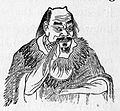
Shennong
神農氏 zh 神農 ja 신농 ko
Legendary Chinese culture hero and god
- Child of Shaodian
A life on the record,
dated by its sources.
Roles, not beliefs
Family
The family of Shennong
Parents, spouses and children as the records give them.
Documented family only. A teacher, a successor or a patron is never drawn in this tree.
The family as a list · 1
Family 1
What this means
A documented human family relationship. Not a succession mechanism, and not religious transmission.
Does not imply a right to an office · transmission of a teaching
Imported from Wikidata unless a tile says otherwise. Nothing here has been read by an editor.
Connections
How Shennong connects
Grouped by the kind of relationship, because a successor is not a son and a shared symbol is not an influence.
Identification 2
What this means
One figure treated as another in some context. Not literal identity in all contexts, and usually a claim by a third party.
Does not imply literal identity in all contexts · that either tradition made the identification
Imported from Wikidata unless a tile says otherwise. Nothing here has been read by an editor.
Sources
Sources and evidence
Where every statement on this page comes from, and how each one stands.
3 statements on this record
- 1 Has references The statement cites something outside Wikimedia. That citation has not been checked here.
- 2 Imported Taken from Wikidata as it stands. Nobody here has read it.
Only this record’s own statements. What other records say about it is counted on theirs.
Three layers, three licences
- Text
- Wikipedia · CC BY-SA 4.0, quoted, not merged
- Pictures
- Wikimedia Commons · each file’s own terms
Review
Not yet read by an editor here. Every relationship on this page is an import.
Disagreements are kept, not resolved, and a count of sources is not a confidence score.


Keep exploring
More from East Asian traditions
Daoism, Confucian practice, Chinese folk religion, Shinto and Korean tradition.