
Figure Greek and Roman
Phaenias of Eresus
Φανίας ὁ Ερέσιος grc Phaenias Eresius la
4th-century BC Greek philosopher
- Dated 4th century BCE – c. 4th century BCE
- Also called Phaenias, Phanias the Lesbian
A life on the record,
dated by its sources.
Roles, not beliefs
Overview
From Wikipedia, quoted unmodified under CC BY-SA 4.0; the article’s history is its list of authors.
Transmission
Teachers and students
Teaching passed from one person to another, in the direction of the arrows — not ancestry, and not succession.
What this means
In the direction the records give it. This is not biological ancestry and it is not institutional succession: a student who inherited no office still received the teaching, and an heir who received the office may have been taught by someone else entirely. It does not imply that teacher and student agreed.
Studied under 1
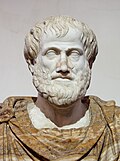
Connections
How Phaenias of Eresus connects
Grouped by the kind of relationship, because a successor is not a son and a shared symbol is not an influence.
Affiliation 1
What this means
Association with a tradition or school. Traditions branch, overlap and re-merge; this is not a clean single-origin tree.
Does not imply that the culture was religiously uniform
Imported from Wikidata unless a tile says otherwise. Nothing here has been read by an editor.
.JPG/120px-Sicily_Selinunte_Temple_E_(Hera).JPG)
Sources
Sources and evidence
Where every statement on this page comes from, and how each one stands.
2 statements on this record
- 2 Imported Taken from Wikidata as it stands. Nobody here has read it.
Only this record’s own statements. What other records say about it is counted on theirs.
Three layers, three licences
- Text
- Wikipedia · CC BY-SA 4.0, quoted, not merged
Review
Not yet read by an editor here. Every relationship on this page is an import.
Disagreements are kept, not resolved, and a count of sources is not a confidence score.


Keep exploring
More from Greek and Roman
The Olympians and their Roman equivalents, the mystery cults, and the poets whose accounts disagree.