

Figure Christianity
Martin Luther
Martinus Lutherus la
German priest and theologian (1483–1546)
- Child of Hans Luther and Margarethe Luther
- Married to Katharina von Bora
- Dated 10 November 1483 CE – 18 February 1546 CE
Overview
German priest and theologian (1483–1546)Wikidata record description. Read Martin Luther in the Wikipedia reader.
Read the full article
In 15 other languages
Roles and affiliation
Holding an office is not parentage and not discipleship.
Belonged to
Offices held 1
- from 18 October 1508 CE university teacher
Family tree




The family as a list · 10
Family 10
- child of (father) Hans Luther father of Martin Luther
- child of (mother) Margarethe Luther mother of Martin Luther
- parent of (child) Elisabeth Luther daughter of Martin Luther
- parent of (child) Johannes Luther son of Martin Luther (1526-1575)
- parent of (child) Magdalena Luther daughter of Martin Luther
- parent of (child) Margaretha Luther daughter of Martin Luther
- parent of (child) Martin Luther, Jr. German theologian, son of Martin Luther
- parent of (father) Paul Luther German physician, son of Martin Luther (1533-1593)
- sibling of Jacob Luther son of Hans Luther
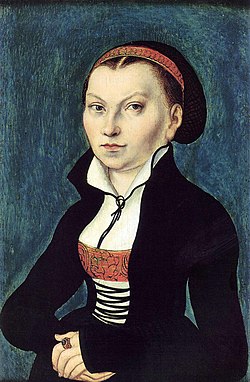
- married to Katharina von Bora wife of Martin Luther (1499-1552)
Teachers and students
Teaching passed from one person to another, in the direction of the arrows — not ancestry, and not succession.
 Martin Luther German priest and theologian (1483–1546)
What the records tie them to
Founded, supported, associated with — as third parties recorded it.
Recorded events
What Martin Luther’s own record names in its history, in the order of the dates on the statements.
- 1507 CE Sanctification ↗
Also recorded, with no date on the statement
Connections
Documented influence 4
- was influenced by Augustine of Hippo Christian theologian, philosopher, and saint (354–430)
- influenced John Calvin French Protestant reformer (1509–1564)
- influenced John Wesley founder of the Methodist movement (1703-1791)
- influenced Søren Kierkegaard Danish theologian, philosopher, poet and social critic (1813–1855)


More from Christianity
Its branches, councils, saints, offices and buildings — and where they stopped recognising each other.