

Figure Christianity
Henry VIII of England
Henricus VIII la
King of England from 1509 to 1547 (1491–1547)
- Child of Henry VII of England and Elizabeth of York
- Married to Catherine of Aragon, Anne Boleyn, Jane Seymour and 3 more
- Dated 28 June 1491 CE – 28 January 1547 CE
Duke of York
Earl Marshal
Lord Lieutenant of Ireland
Offices on record
Overview
From Wikipedia, quoted unmodified under CC BY-SA 4.0; the article’s history is its list of authors.
Life
Roles and affiliation
Holding an office is not parentage and not discipleship.
What this means
As the records give them: every row is a third party’s statement, not a self-description, and a role or an affiliation is often held for one period of a life only. An affiliation is not a belief, and this site does not ask anyone about theirs. For an office: which one, for how long, and where the records give an ordinal or the holders either side. Recognition of a tenure is never universal: contested lines appear as overlapping tenures rather than as one corrected sequence.
Belonged to
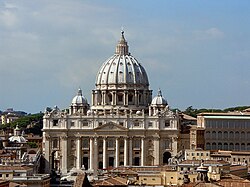
Offices held 11
- 1493 CE – 1509 CE Lord Warden of the Cinque Ports
- 1494 CE – 1509 CE Earl Marshal
- from 1494 CE Lord Lieutenant of Ireland
- from 1494 CE Lord Warden of the Marches
- October 1502 CE – 21 April 1509 CE Duke of Cornwall
- February 1503 CE – 21 April 1509 CE Earl of Chester
- February 1503 CE – 21 April 1509 CE Prince of Wales
Show all 11
- 1509 CE – 1542 CE Lord of Ireland
- 21 April 1509 CE – 28 January 1547 CE Monarch of England Succeeded Henry VII of England · Succeeded by Edward VI of England
- 18 June 1542 CE – 28 January 1547 CE King of Ireland Succeeded Henry VII of England · Succeeded by Edward VI of England Has references
Family
The family of Henry VIII of England
Parents, spouses and children as the records give them.
Documented family only. A teacher, a successor or a patron is never drawn in this tree.
The family as a list · 41
Family 41
What this means
A documented human family relationship. Not a succession mechanism, and not religious transmission.
Does not imply a right to an office · transmission of a teaching · a religious affiliation held by the whole house · continuous rule · a marriage · a shared religious affiliation
Imported from Wikidata unless a tile says otherwise. Nothing here has been read by an editor.
-
 child of (child) Elizabeth of York Queen of England
 -
 child of (child) Henry VII of England King of England from 1485 to 1509
 -
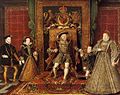 of the house House of Tudor Welsh royal house
 - parent of (child) stillborn daughter Tudor (1510) daughter of Henry VIII of England and Catherine of Aragon
- parent of (child) Catherine Carey chief Lady of the Bedchamber to Queen Elizabeth I
-
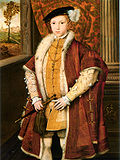 parent of (father) Edward VI of England king of England and Ireland from 1547 to 1553
 -
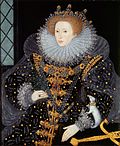 parent of (father) Elizabeth I of England Queen of England and Ireland from 1558 to 1603 (1533-1603)
 - parent of (child) Ethelreda Malte putative illegitimate daughter of Henry VIII
- parent of (child) Henry Carey, 1st Baron Hunsdon British nobleman
-
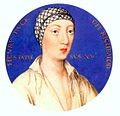 parent of (father) Henry FitzRoy, 1st Duke of Richmond and Somerset Royal Bastard of Henry VIII (1519–1536)
 - parent of (child) Henry, Duke of Cornwall first son of King Henry VIII of England and Catherine of Aragon (1511-1511)
- parent of (child) Henry, Duke of Cornwall son of King Henry VIII and Anne Boleyn (1534-1534)
- parent of (child) Henry, Duke of Cornwall (1514) son of King Henry VIII and his first wife Catherine of Aragon
- parent of (child) Mary I Queen of England and Ireland from 1553 to 1558 (1516-1558)
- parent of (child) miscarried son Tudor miscarried son of King Henry VIII and Anne Boleyn (1536-1536)
- parent of (child) Richard Edwardes English poet, dramatist and composer
- parent of (child) stillborn daughter Tudor (1518) daughter of Henry VIII of England and Catherine of Aragon
- parent of (child) stillborn son Tudor second son of King Henry VIII and his first wife Catherine of Aragon
- parent of (child) Thomas Stukley English mercenary
- partner of Elizabeth Blount mistress of Henry VIII
- partner of Mary Boleyn sister of the queen of England Anne Boleyn
- partner of Anne Bassett Mistress of Henry VIII
- partner of Anne Stafford, Countess of Huntingdon English noblewoman (1483-1544)
- partner of Elizabeth Carew Mistress of Henry VIII
Show all 41
- partner of Elizabeth Stafford, Countess of Sussex English noblewoman (1479-1532)
- partner of Jane Popincourt French noblewoman and tutor
- partner of Joan Dingley mistress of Henry VIII
- partner of Margaret Shelton Peerage person ID=342676
- sibling of Arthur, Prince of Wales Prince of Wales, Earl of Chester and Duke of Cornwall
- sibling of Edmund Tudor, Duke of Somerset Duke of Somerset
- sibling of Edward Tudor English prince
- sibling of Elizabeth Tudor English princess
- sibling of Katherine Tudor English royal
- sibling of Margaret Tudor Scottish Queen consort (1489-1541)
- sibling of Mary Tudor Queen of France from 1514 to 1515 (1496-1533)
- married to Catherine Parr sixth wife of Henry VIII of England; final queen consort of the House of Tudor
- married to Catherine Howard fifth wife of Henry VIII of England
- married to Anne of Cleves Queen consort of England (1515–1557)
- married to Jane Seymour third wife of Henry VIII of England
-
.jpg/120px-Catherine_of_Aragon_(1485-1536).jpg) married to Catherine of Aragon first wife of Henry VIII of England (1485–1536)
married to Catherine of Aragon first wife of Henry VIII of England (1485–1536) - married to Anne Boleyn second wife of Henry VIII of England (died 1536)
Religious context
What the records tie them to
Founded, supported, associated with — as third parties recorded it.
What this means
A founding is an attribution, usually contested, and not a claim that the tradition began fully formed. Patronage is an act, not a belief: it says nothing about the religion of a population, and nothing about the patron’s own practice in every period of a life. Domains are as sources record them — for a saint, usually a patronage — rarely exclusive, and not the same in every account.
-
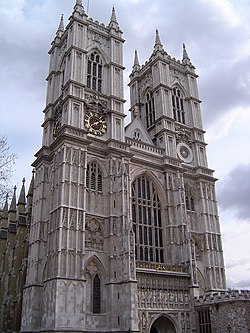 Named as founder
Church of England
Christian church in England and the Mother Church of the worldwide Anglican Communion - Named as founder
English Reformation
16th-century separation of the Church of England from the Pope of Rome - Named as founder
Bishop of Chester
Diocesan bishop in the Church of England - Named as founder
Bishop of Oxford
diocesan bishop of the Church of England Diocese of Oxford in the Province of Canterbury
Connections
How Henry VIII of England connects
Grouped by the kind of relationship, because a successor is not a son and a shared symbol is not an influence.
Recorded events and days 2
What this means
Events Wikidata records in a subject’s history, and the day a festival is kept. Not a complete history, and the day a festival falls on is not when it began.
Does not imply that these are all the events in its history · that Wikidata ranks the events by importance
Imported from Wikidata unless a tile says otherwise. Nothing here has been read by an editor.
Sources
Sources and evidence
Where every statement on this page comes from, and how each one stands.
56 statements on this record
- 26 Has references The statement cites something outside Wikimedia. That citation has not been checked here.
- 28 Imported Taken from Wikidata as it stands. Nobody here has read it. 19 of them cite only Wikipedia: one source, counted once.
- 2 Hedged in the source The source said circa, allegedly or presumably. This does not turn that into a date.
Only this record’s own statements. What other records say about it is counted on theirs.
Three layers, three licences
- Text
- Wikipedia · CC BY-SA 4.0, quoted, not merged
- Pictures
- Wikimedia Commons · each file’s own terms
Review
Not yet read by an editor here. Every relationship on this page is an import.
Disagreements are kept, not resolved, and a count of sources is not a confidence score.


Keep exploring
More from Christianity
Its branches, councils, saints, offices and buildings — and where they stopped recognising each other.