

Figure Christianity
Henry FitzRoy, 1st Duke of Grafton
Illegitimate son of King Charles II and English duke (1663-1690)
- Child of Charles II of England and Barbara Palmer, 1st Duchess of Cleveland
- Married to Isabella FitzRoy, Duchess of Grafton
- Dated 28 September 1663 CE – 9 October 1690 CE
Overview
Illegitimate son of King Charles II and English duke (1663-1690)Wikidata record description. Read Henry FitzRoy, 1st Duke of Grafton in the Wikipedia reader.
Read the full article
In 9 other languages
Roles and affiliation
Holding an office is not parentage and not discipleship.
Offices held 3
Family tree



The family as a list · 16
Family 16
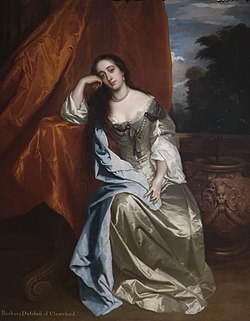
- child of (child) Barbara Palmer, 1st Duchess of Cleveland English royal mistress from the Villiers family (1640-1709)
- child of (child) Charles II of England King of England, Scotland, and Ireland (1630-1685)
- of the house House of Stuart British royal house of Scottish origin
- parent of (father) Charles FitzRoy, 2nd Duke of Grafton Irish and English politician (1683-1757)
- sibling of Anne Lennard, Countess of Sussex English Countess
- sibling of Barbara FitzRoy noblewoman; British prioress
- sibling of Charles Beauclerk, 1st Duke of St Albans British Duke (1670-1726)
- sibling of Charles FitzCharles, 1st Earl of Plymouth English noble
- sibling of Charles FitzRoy, 2nd Duke of Cleveland Son of Barbara Palmer (1662-1730), Countess of Castlemaine and Charles II of England
- sibling of Charles Lennox, 1st Duke of Richmond illegitimate son of Charles II of England (1672-1723)
- sibling of Charlotte Jemima FitzRoy British noble
- sibling of Charlotte Lee, Countess of Lichfield British noble
- sibling of George FitzRoy, 1st Duke of Northumberland British Army general
- sibling of James Scott, 1st Duke of Monmouth English nobleman and soldier (1649–1685)
- sibling of Mary Tudor, Countess of Derwentwater noblewoman; illegitimate child of English king
- married to Isabella FitzRoy, Duchess of Grafton British peeress (1668-1723)


More from Christianity
Its branches, councils, saints, offices and buildings — and where they stopped recognising each other.