

Figure Christianity
disciple whom Jesus loved
Discipulus quem diligebat Iesus la ὁ μαθητὴς ἐκεῖνος ὃν ἠγάπα ὁ Ἰησοῦς grc
Phrase found in the Gospel of John (21:20 etc.), traditionally identified with John the Evangelist and John the Apostle
- Also called Beloved Disciple
A life on the record,
dated by its sources.
Roles, not beliefs
Texts
In the texts
Works this figure appears in. A work’s date is the source’s, not this figure’s.
Connections
How disciple whom Jesus loved connects
Grouped by the kind of relationship, because a successor is not a son and a shared symbol is not an influence.
Identification 4
What this means
One figure treated as another in some context. Not literal identity in all contexts, and usually a claim by a third party.
Does not imply literal identity in all contexts · that either tradition made the identification
Imported from Wikidata unless a tile says otherwise. Nothing here has been read by an editor.
-
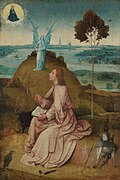 identified with John of Patmos Christian saint and author of the Book of Revelation
 -
 identified with John the Apostle apostle of Jesus; son of Zebedee and Salome, brother of James; traditionally identified with John the Evangelist, John of Patmos, and the Beloved Disciple
 -
 identified with John the Evangelist author of the Gospel of John; traditionally identified with John the Apostle of Jesus, John of Patmos (author of Revelation), and John the Presbyter
 - identified with John the Presbyter early Christian; appears in fragments from Papias of Hierapolis as one of the author's sources; traditionally identified with John the Apostle, John the Evangelist, and/or John of Patmos (author of the Book of Revelations)
Sources
Sources and evidence
Where every statement on this page comes from, and how each one stands.
5 statements on this record
- 5 Imported Taken from Wikidata as it stands. Nobody here has read it.
Only this record’s own statements. What other records say about it is counted on theirs.
Three layers, three licences
- Text
- Wikipedia · CC BY-SA 4.0, quoted, not merged
- Pictures
- Wikimedia Commons · each file’s own terms
Review
Not yet read by an editor here. Every relationship on this page is an import.
Computed Worked out here, not stated by any source: 1 collection membership. Each is marked where it is shown.
Disagreements are kept, not resolved, and a count of sources is not a confidence score.


Keep exploring
More from Christianity
Its branches, councils, saints, offices and buildings — and where they stopped recognising each other.