

A god is known
by the accounts
that name it.
Accounts kept apart
Overview
From Wikipedia, quoted unmodified under CC BY-SA 4.0; the article’s history is its list of authors.
Connections
How Moon connects
Grouped by the kind of relationship, because a successor is not a son and a shared symbol is not an influence.
Identification 6
What this means
One figure treated as another in some context. Not literal identity in all contexts, and usually a claim by a third party.
Does not imply literal identity in all contexts · that either tradition made the identification
Imported from Wikidata unless a tile says otherwise. Nothing here has been read by an editor.
-
.png/120px-Artemis%2C_Diana_(Museum_Capitolinum).png) identified with Artemis goddess of the hunt and the wild in ancient Greek religion and mythology
identified with Artemis goddess of the hunt and the wild in ancient Greek religion and mythology -
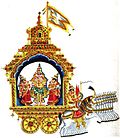 identified with Chandra lunar god in Hinduism
 -
 identified with Diana goddess of the hunt, the moon and birthing, equated with the Greek goddess Artemis
 -
 identified with Luna Roman goddess of the Moon
 -
 identified with Selene ancient Greek goddess and personification of the Moon, daughter of Hyperion and Theia
 -
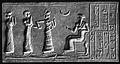 identified with Sin Mesopotamian lunar god
Sources
Sources and evidence
Where every statement on this page comes from, and how each one stands.
6 statements on this record
- 6 Imported Taken from Wikidata as it stands. Nobody here has read it.
Only this record’s own statements. What other records say about it is counted on theirs.
Three layers, three licences
- Text
- Wikipedia · CC BY-SA 4.0, quoted, not merged
- Pictures
- Wikimedia Commons · each file’s own terms
Review
Not yet read by an editor here. Every relationship on this page is an import.
Disagreements are kept, not resolved, and a count of sources is not a confidence score.


Keep exploring
More deities, tradition by tradition
The directory lists every one on record, most widely recorded first.
Many names.
Many accounts.