
A god is known
by the accounts
that name it.
Accounts kept apart
Accounts
Where Mamers appears
Each work is its own account. Where two disagree about a parent or a deed, both readings stand.
What this means
Works this figure is recorded as appearing in. Each is an account, not a chapter of one story: where two of them disagree about a parent or a deed, both readings stand and this site keeps the disagreement. The earliest account below is computed from these works, not stated by any source — a fact about which texts this collection holds and when they were written, not a date for the figure, who has none, and not a floor for the tradition, which is older than anything that survives of it.
-
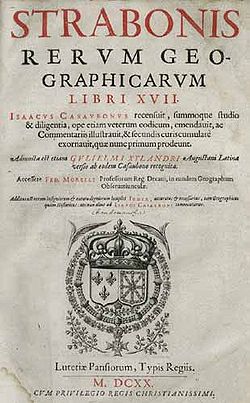 Written the 20s CE
Geography
geographical treatise by Strabo -
 Written the 160s BCE
De Agri Cultura
book by Cato the Elder -
 No date recorded
De lingua Latina
book on latin language and grammar by Marcus Terentius Varro
The earliest account held here Computed
De Agri Cultura published the 160s BCE
A date for the text, never for the deity.Connections
How Mamers connects
Grouped by the kind of relationship, because a successor is not a son and a shared symbol is not an influence.
Identification 2
What this means
One figure treated as another in some context. Not literal identity in all contexts, and usually a claim by a third party.
Does not imply literal identity in all contexts · that either tradition made the identification
Imported from Wikidata unless a tile says otherwise. Nothing here has been read by an editor.

Sources
Sources and evidence
Where every statement on this page comes from, and how each one stands.
5 statements on this record
- 5 Imported Taken from Wikidata as it stands. Nobody here has read it.
Only this record’s own statements. What other records say about it is counted on theirs.
Review
Not yet read by an editor here. Every relationship on this page is an import.
Disagreements are kept, not resolved, and a count of sources is not a confidence score.


Keep exploring
More from Greek and Roman
The Olympians and their Roman equivalents, the mystery cults, and the poets whose accounts disagree.