

Tradition collection 247 records
Mesopotamia and the Levant
Sumerian, Akkadian, Babylonian, Assyrian, Hittite-adjacent and Canaanite gods, and the texts that carry them.
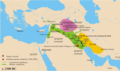
- Extent Tigris–Euphrates, Anatolia and the eastern Mediterranean coast, roughly 3500 BCE to 200 CE.
- Holds 165 gods · 44 places · 18 figures · 8 traditions
Before you count
Sumerian and Akkadian names for one god are often two records upstream, and merging them would be an editorial claim this collection has not made.
Gods · 165
The gods, and the company they keep
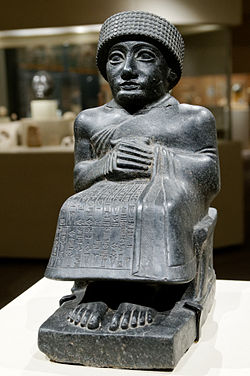
The most widely linked across Wikipedia, this collection’s own first. A picture of a god is a work of art, never a likeness.
-
 BaalCanaanite storm deity
 -
 MardukNational god of the Babylonians
 -
 AnuSumerian deity, Sky Father, King of the Gods
 -
 InannaSumerian goddess
 -
 EnlilAncient Mesopotamian god
 -
 IshtarEast Semitic Akkadian, Assyrian and Babylonian goddess of fertility, love, war, and sex
 -
 SinMesopotamian lunar god
 -
 EnkiGod in Sumerian mythology; god of ritual wisdom
 -
 AstarteMiddle Eastern goddess, worshipped from the Bronze Age through classical antiquity
 -
 TiamatAncient Mesopotamian primordial goddess of the seawater and the symbol of the chaos of primordial creation
 -
 NergalUnderworld deity worshipped throughout Mesopotamia
 -
 ShamashMesopotamian sun god
In company
Pantheons, read from the members’ own records — never from a fixed roster.
Sumerians 29 members on record Explore the pantheon




Places · 44
Archaeological sites and places
37 of the 44 are recorded as archaeological sites — a culture’s cities and monuments, not evidence of worship there. The most widely linked first.
-
 Archaeological site
Babylon
Capital city of Babylonia and an archaeological site in modern-day Iraq -
 Archaeological site
Petra
Ancient rock-cut historical city in Jordan -
_(14781539332).jpg/330px-A_dictionary_of_the_Bible.._(1887)_(14781539332).jpg)
Canaan
Levantine civilization in the Ancient Near East during the late 2nd millennium BC -
 Archaeological site
Ur
Ancient Mesopotamian city-state -
 Archaeological site
Uruk
Ancient city of Sumer and Babylonia -
 Archaeological site
Nippur
Ancient city in modern day Iraq -
 Archaeological site
Ugarit
Ancient port city in northern Syria -
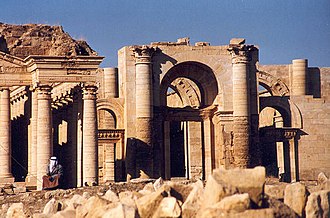 Archaeological site
Hatra
Ancient city in northern Iraq -
 Archaeological site
Nimrud
Ancient Assyrian city
44 places 44 with a point on the map 22 with a date 37 archaeological sites
See them on the atlasThe oldest on record
The earliest recorded starts among its best-known places, by 1000 CE, in date order. Each date is the place’s own — a city’s founding, a building’s — not the start of this tradition there.
- 6th millennium BCE Ugarit Archaeological site
- 3800 BCE Ur Archaeological site
- 3300 BCE Qatna Archaeological site
- 3200 BCE Uruk Archaeological site
- 3100 BCE Kish Archaeological site
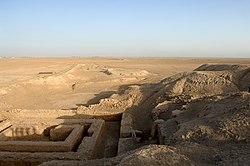
- 21st century BCE Ziggurat of Ur
- 13th century BCE Nimrud Archaeological site
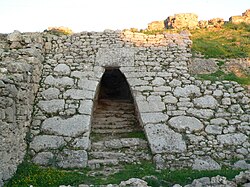
- 12th century BCE Idalion Archaeological site


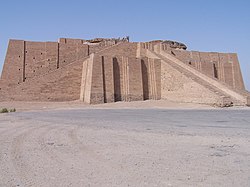

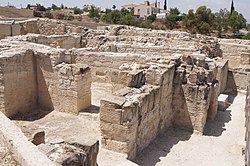
Where they gather
Cities and sites with two or more of its places recorded in them — counted from each place’s own location.
Figures · 18
Who to meet first
The figures its own texts, stories and traditions name — the most widely linked first, this collection’s own before those it shares.
-
 JobBiblical figure
 -
 AthaliahQueen of Judah
 -
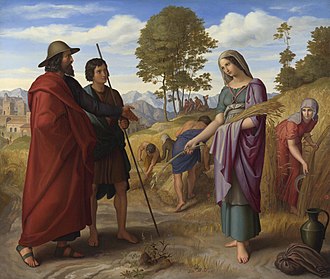 RuthProtagonist of the Book of Ruth in the Hebrew Bible
 -
 BelshazzarBiblical king of Babylonia in the Book of Daniel
 -
 JezebelBiblical Phoenician princess
 -
 ManassehKing of Judah (Second Book of Chronicles)
 -
 BalaamBiblical prophet
 -
 DelilahWoman described in the Book of Judges
 -
 JethroBiblical character, father-in-law of Moses
 -
 Witch of EndorBiblical character (First Book of Samuel)
 -
 AhabKing of Israel, the son and successor of Omri, and the husband of Jezebel (1 Kings 16)
 -
 OmriSixth King of Israel
More of its best-linked figures
Traditions · 8
Many paths, shared histories
The traditions, schools and movements this collection holds — each with its own page.
-

Babylonian religion
Religious practices of Babylonia -
Sumerian religion
First religion of Mesopotamia region which is tangible by writing -
Ancient Mesopotamian religion
Religion -
Canaanite religion
Ancient Semitic polytheistic religion -
Ancient Semitic religion
Polytheistic religions of the Semitic peoples -
Nabataean religion
Religion of the Nabateans -
Assyrian religion
-
Ugaritic religion
Ancient Semitic polytheistic religion
Texts and stories · 4
Stories and texts
What was told, and what was written — dated when it was written.


Also here · 1
Also in this collection
Kinds it holds only one or two of, each with its own page.
Argued, cited and signed
Explained connections that reach into it: a claim, its evidence, its limits.
What this collection holds
Counted, not scored. Each count opens its list.
A record can be more than one kind — a monastery is a place and an institution — so these counts add up to more than its 247 records. The sections above count the same way, and draw each record once, under the kind its own page is filed under.
- Statements
- 910
- With references
- 108
- Undated
- 203
- Accounts
- 0
- Reviewed here
- 0
What it is missing, and how it was assembled
What this collection is missing
Written by an editor, not computed. A count of records cannot say any of this, and a collection read without it is a collection read wrongly.
- Sumerian and Akkadian names for one god are often two records upstream, and merging them would be an editorial claim this collection has not made.
- Coverage follows excavation and publication, not antiquity: Ugarit is well recorded and its neighbours are not.
- Dates are composition dates of tablets far more often than dates of practice.
Counted across the collections
Festivals, practices and events follow how densely Wikidata records them, not how much a tradition keeps: 77% of the 845 held across the collections are Christian, and this collection holds none.
What the counts mean
- Statements
- Relationships and facts recorded on these records.
- With references
- Statements that cite a source outside Wikimedia.
- Undated
- Records with no date on any of the three clocks.
- Accounts
- Named versions of a story, kept apart.
- Reviewed here
- Read by a person and signed with a date.
How it was assembled
Discovered from Wikidata by class and by religion, ranked by incoming links, then filtered against each item’s own claims. Relationships are imported statements unless a row says otherwise; none of them has been read here.
“Reviewed” means a person read it and signed it with a date — which is why it is zero. Nothing here measures how good the material is.
Records here have an article in 16 languages between them. The interface is English only for now. Published 2026-09-25.
How 13 of these records were placed here through another record
Most records are in Mesopotamia and the Levant by their own statements. These are here because of another record they are linked to — worked out when the data was built, not stated on the record itself. Each one’s own page says the same.
Cities and sites, through the places recorded in them · 1
- Babylon — 2 of the 4 places recorded in it here are in this collection
Parts, through the whole they belong to · 2
- Great Temple — it is part of Petra
- Temple of the Winged Lions — it is part of Petra
Gods, through a parent or a consort · 6
Pantheons, through their own published gods · 4
- Akkad — 4 of its 4 published gods are in this collection
- Babylonians — 7 of its 7 published gods are in this collection
- Assyrians — 3 of its 3 published gods are in this collection
- Babylonia — 11 of its 12 published gods are in this collection
.jpg/960px-Ziggurat_at_Eridu_(30809118442).jpg)
.jpg)
Keep going
Walk Mesopotamia and the Levant another way.
A family tree as the accounts give it, every mapped place on the atlas, and the dates on the timeline — each on its own clock.